
Enhancement of ‘Headstrong’ digital tool
Category: Mental Wellbeing Innovation
Target audience: Rangatahi Māori and other young people in Aotearoa New Zealand
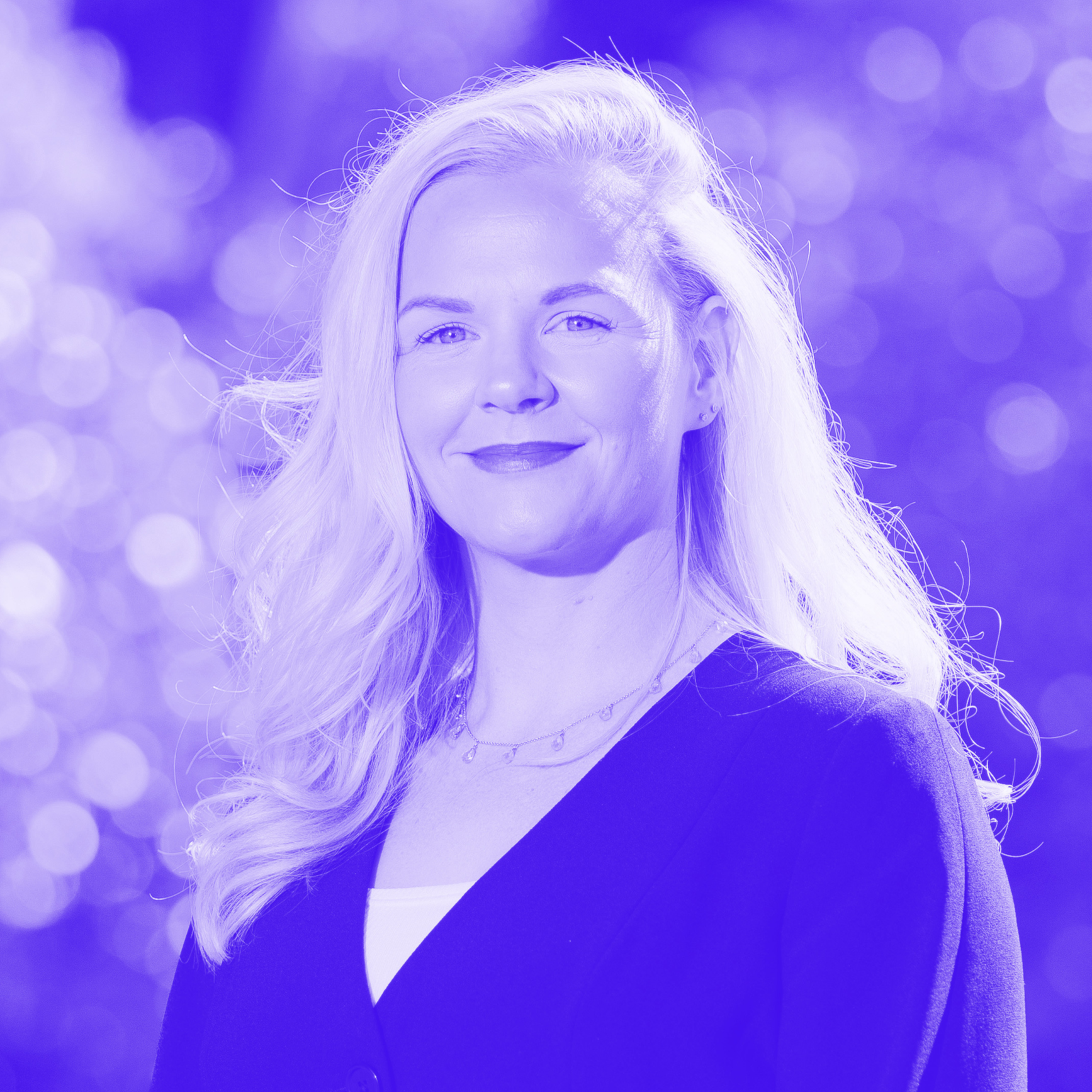
Research innovator: Nicola Ludin
The project
This research project focused on enhancing engagement with Headstrong, a free, evidence-based digital tool designed to support mental well-being among Indigenous youth (Rangatahi Māori) and other young people in Aotearoa New Zealand.
The app delivers brief, chat-like sessions in a bicultural and bilingual format, aligning with youth preferences and cultural contexts.
The team co-designed and developed a social media advertising campaign with Rangatahi Māori to increase reach and uptake of Headstrong.
Project Background
The motivation behind this project stems from a concern for young people’s mental health and the accessibility barriers they face.
We know that when young people engage with tools like Headstrong, they benefit, but the challenge lies in getting these tools into their hands. This project was driven by a desire to address that gap.
Nicola and her team applied a co-design methodology to ensure that youth perspectives directly informed strategy. Through a series of participatory workshops, young people collaborated to develop a social media advertising campaign aimed at increasing engagement with Headstrong.
Their input shaped the campaign’s content and format, with thematic analysis revealing preferences for advertisements that were culturally diverse, affirming, concise, and authentic. This led to the creation of the “Highlighting Headstrong” campaign, featuring short-form videos that demonstrated real-world use of the app.
By innovating with young people and co-designing a campaign that resonated with their realities, the research team were able to significantly improve engagement. The approach was both practical and values-driven, and one that reflects a commitment to youth-led, culturally responsive mental health solutions.

Findings, insights and outcomes
One of the most unexpected findings was the stark contrast in effectiveness between a professionally produced advertising campaign and a youth co-designed campaign.
The professionally developed “Slow Down with Headstrong” campaign generated over four million impressions but resulted in low engagement. Only 6% of viewers downloaded the app, and just 2% initiated a course.
In contrast, the co-designed “Highlighting Headstrong” campaign, created in collaboration with young people, achieved significantly higher conversion rates across all metrics: 52% of viewers downloaded the app, 46% registered, and 40% started a course, despite having a much smaller budget.
Thematic analysis revealed that young people strongly preferred advertisements that were inclusive, simple, direct, and authentic. They rejected content that felt forced or unclear, and responded positively to short-form videos that reflected real use of the app and their lived experiences. These findings highlight the power of co-design, not just as a method for inclusion, but as a strategic approach that can dramatically improve engagement with digital mental health tools.

Ember Innovations research funding Impact
For Nicola, receiving a grant from Ember was a turning point: it helped her believe in her own potential and opened up new opportunities, including becoming the line manager for the research assistants on this project, and later supervising Master’s student Sarah Bodmer.
Ember’s support for Nicola led to her:
becoming part of the Ember whānau
serving on the panel in 2024 and again in 2025;
and attending the Ignition 25 unconference.
With Ember’s support, Nicola has been able to build lasting connections with colleagues and mentors, and has even stepped into mentorship roles herself. Although the grant was awarded in 2021, its influence continues to shape Nicola’s academic journey.


Ember has been a key part of fuelling my passion for youth mental health, and I now have resolve, I am focused on driving change and especially on fostering innovation in youth mental health. I’m deeply grateful for the support and the vibrant community that Ember has provided.
— Nicola Ludin

Impact on innovation in the field and community
The Highlighting Headstrong campaign showed that innovation doesn’t always require large budgets or high production value, it requires authenticity, cultural responsiveness, and youth voice.
The campaign demonstrated the power and effectiveness of co-designed social media advertising. Rather than relying on traditional top-down approaches, researchers worked directly with young people to co-create content that reflected their lived experiences, preferences, and cultural identities. This participatory approach not only produced a campaign that was more engaging and relevant, but also significantly outperformed a professionally developed campaign when comparing app downloads, registrations, and course starts.
By embedding principles of kaupapa Māori research and using short-form, dynamic video content, the team could reach young people in ways that felt real and respectful. This is especially important in Aotearoa, where youth are highly active online and where mental health disparities persist.

The broader impact of this work lies in its potential to shift how digital mental health tools are promoted and designed. It offers a model for how to meaningfully engage young people in prevention strategies, and how to use social media not just for dissemination, but as a tool for connection and empowerment. The inclusion of Rangatahi Māori voices also supports equity and honours Te Tiriti o Waitangi, helping to ensure that mental health support is accessible and culturally safe.
Expanding on this work in the social media space is especially important in the current climate where social media bans are being proposed. Now more than ever, innovation, critical thinking, and genuine understanding guided by youth voices are essential tools for reaching and supporting young people.
Benefits of research findings
The co-designed Highlighting Headstrong campaign led to significantly higher engagement with the Headstrong app, including increased downloads, registrations, and course starts. By involving youth in the design process, the campaign content felt authentic, inclusive, and relevant, qualities that young people consistently identified as essential for mental health messaging.
This work has helped make digital mental health support more accessible and appealing, particularly for those who may not engage with traditional services. It also contributes to broader efforts to reduce mental health disparities and promote culturally responsive care.
The campaign’s success demonstrates how youth-led design can foster trust, early engagement, and proactive mental health behaviours.

Ember Innovations Research Grants are essential for mental health researchers, not just for the funding, but for the genuine, personal support they offer. Ember fosters real connection, mentorship, and lasting relationships that help researchers grow, collaborate, and innovate.
The grants enable bold, and in our case, youth-focused projects and create a community where ideas are nurtured and translated into meaningful change for mental health in Aotearoa.
— Nicola Ludin


Related publications and resources
ScienceDirect: Co-designed social media advertising for Headstrong