
Cognitive flexibility study
Cognitive flexibility and attitudes towards vaccination in Aotearoa New Zealand
Category: Lived Experience
Target audience: Health practitioners and researchers in Aotearoa New Zealand
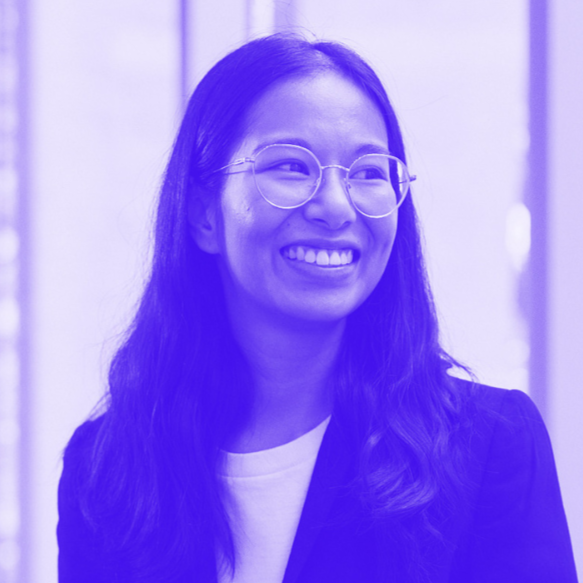
Research innovator: Dr Stephanie Gomes-Ng
The project
This project explored the link between cognitive flexibility (the ability to adapt when environments or tasks change) and attitudes towards vaccination in Aotearoa New Zealand.
Participants completed a rule-switching card game designed to measure cognitive flexibility, and the Multidimensional Vaccine Hesitancy Scale. Following this, Dr Gomes-Ng and her team explored relationships between participants’ responses in the two tasks.
Project Background
Around the time of the COVID-19 vaccine roll-out, Dr Gomes-Ng and her colleague Dr Sarah Cowie were interested in why attitudes towards vaccination are sometimes resistant to change, and hypothesized that cognitive flexibility could play a role.
At the time, there wasn't much research exploring how cognition influenced attitudes towards vaccination. They were motivated by the opportunity to advance scholarly knowledge on the topic, as well as by the potential applied relevance of the project for vaccination efforts in Aotearoa and abroad.

Findings, insights and outcomes
Researchers found that people who found it harder to adapt their behaviour in the rule-switching game reported more personal barriers to vaccination. This means that people with lower cognitive flexibility were more likely to express concerns about whether vaccines were safe, necessary, or effective, and were less trusting in vaccines and the systems that administer or promote them.
In contrast, there was no relationship between cognitive flexibility and external barriers, such as financial cost or access to clinics. These findings highlight the multidimensional nature of vaccine hesitancy, and they indicate that different cognitive mechanisms may underlie personal vs. external barriers to vaccination.
How important is Ember’s research funding?
Dr Gomes-Ng received support from Ember early on in her research career, just under 2 years after earning her PhD. Prior to receiving this funding, most of Dr Gomes-Ng’s work was focused on topics related to her PhD, which explored how information in the environment guides decision-making.
Receiving this funding as an early-career researcher, and on a topic of global relevance, provided an invaluable opportunity to expand her research to a new area, as well as to communicate this research with a broader audience than before.
I was able to secure a permanent academic position after receiving this funding, and my leadership of this project has led to further work exploring attitudes towards vaccination, using a global sample of 5,000 people, with my current colleagues.
—Dr Stephanie Gomes-Ng


Dr Gomes-Ng was invited to present to the ImmCOR research network in June 2025, which has resulted in further invitations to present to health practitioners, including nurses. This reinforces that there is interest in pursuing this line of research.
Becoming an academic was always a key motivator for me during my recovery from mental-health challenges, so it was rewarding to see that come to fruition throughout my PhD, and then by receiving support from Ember.
—Dr Stephanie Gomes-Ng