
‘BRO (Bro Reach Out)’ chatbot-based app
Category: Lived Experience
Target audiences: Rangatahi Māori at risk of experiencing suicidal distress
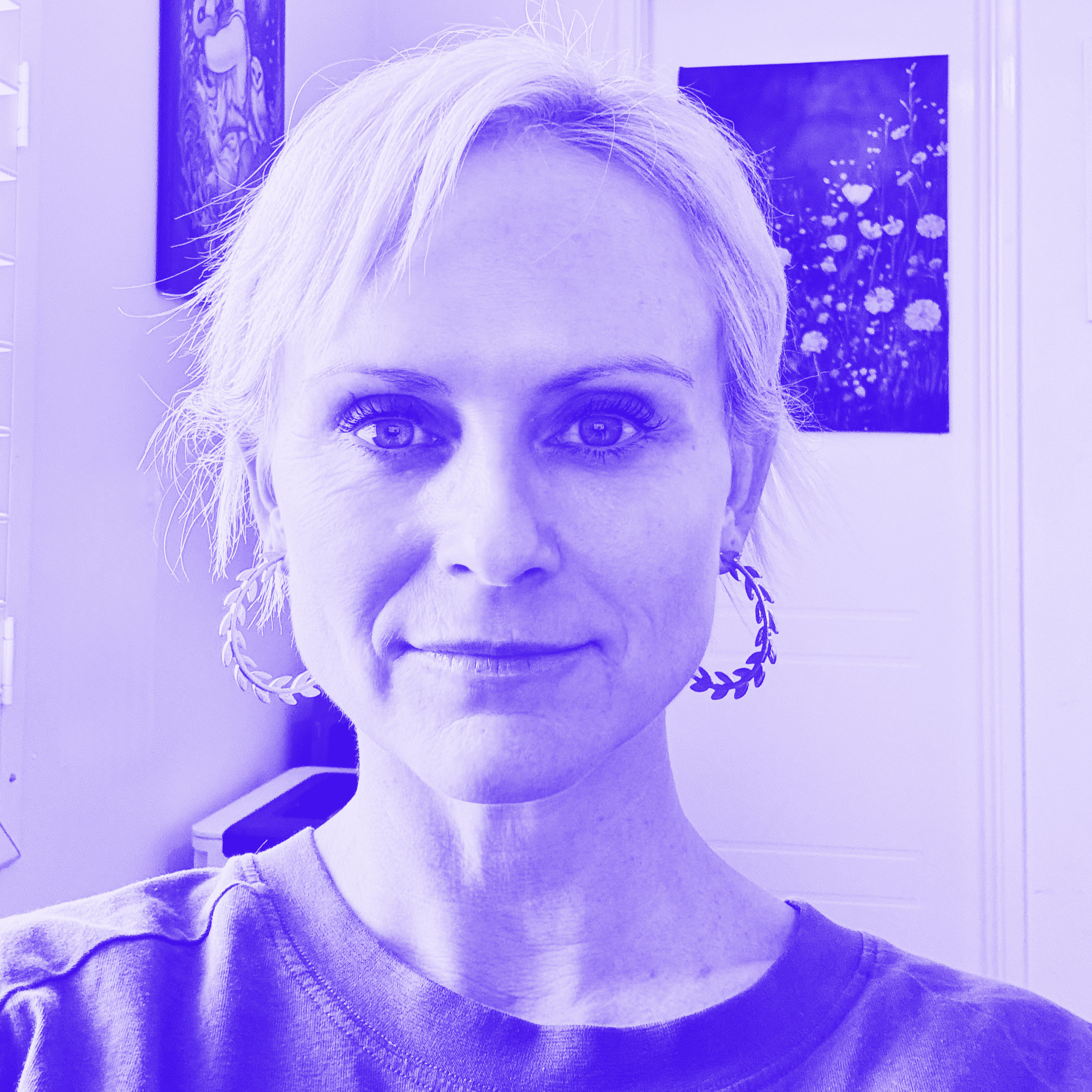
Research innovators: Annabelle Prescott, Bonnie Scarth (pictured) and Suzi Wereta
The project
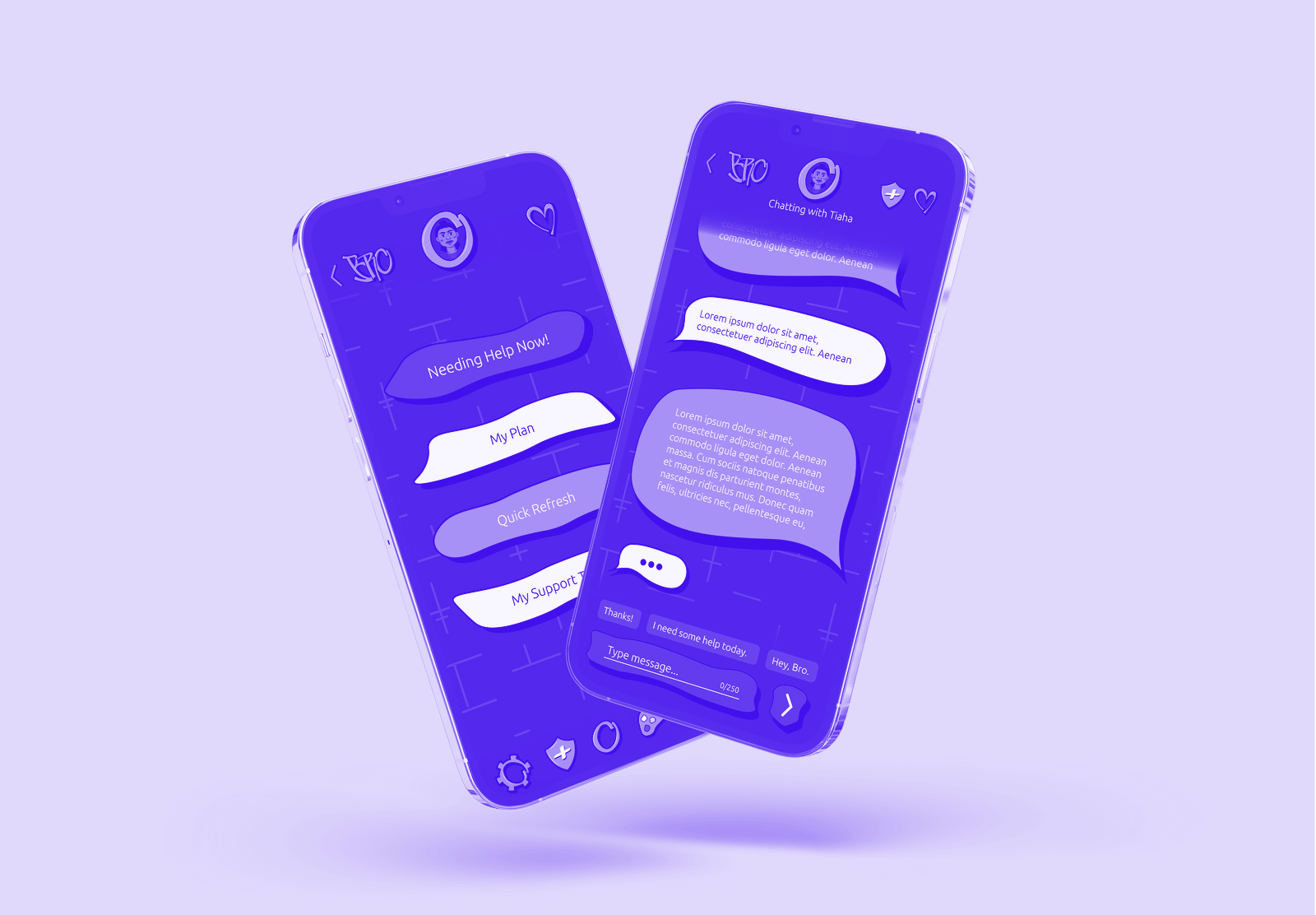
‘BRO’ is a chatbot-based safety planning app designed to support young people in Aotearoa New Zealand when they’re feeling overwhelmed, distressed, or struggling.
The app helps you build a personalised safety plan that you can return to when things feel tough. Through guided chat, BRO supports you to recognise your warning signs, identify coping strategies, and connect with trusted people and crisis contacts when needed.
BRO is a culturally grounded, youth-led intervention that reimagines safety planning as a tool for connection, empowerment, and healing for Māori youth. By centering their voices, identities, and cultural values, and challenging deficit-focused clinical models, BRO promotes strength-based, inclusive approaches.

The research aims to contribute to addressing the suicide rate among young people and rangatahi Māori in Aotearoa New Zealand by radically transforming safety planning. Traditional safety plans were designed with adults in mind. While safety planning is a widely used intervention to manage suicidal distress, it is not culturally responsive, and often generic, paper-based, and lacking personalisation. This can make plans less effective, and paper plans can be easily lost. The lack of existing support created urgency around pursuing this project.
Project Background
The project was grounded in power sharing to co-design a chatbot-enabled safety planning tool named BRO (Bro Reach Out). Ten workshops with five rangatahi Māori tāne were facilitated by the Māori co-lead of the project, who is an experienced social worker, along with a young person with lived experience of suicidal distress. The design features avatars with Māori features and styles, graffiti-style UI with vibrant colours and youth-centric aesthetics, and gender-inclusive design with avatars representing a diverse range of identities.
The initial Ember Innovations funding enabled the co-design of BRO. This foundational work not only generated meaningful insights into culturally responsive suicide prevention but also laid the groundwork for a broader programme of research. The project’s innovative blending of kaupapa Māori research with co-design principles has informed a national HRC-funded online trial, with BRO as a core component.
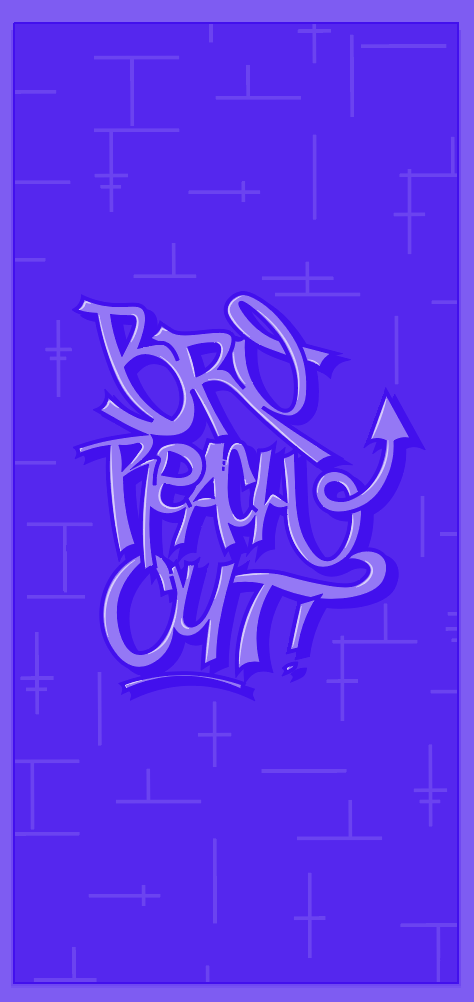
‘BRO’ is a chatbot-based safety planning app designed to support young people in Aotearoa New Zealand.

Ember Innovations research funding impact
Receiving support from Ember didn’t just fund a project, it has been instrumental in career development and future research opportunities. The project’s success directly contributed to securing Health Research Council (HRC) funding for a national online trial of suicide prevention apps, with BRO as one of the interventions being tested.
The development of the broad programme of research has been significant in the career development of team members. Annabelle Prescott, a Māori youth researcher involved in the original co-design, is completing her Doctorate in Clinical Psychology at the University of Auckland and is a researcher on the HRC-funded trial, which will form the basis of her doctoral thesis work. Bonnie Scarth and Suzi Wereta, the co-Principal Investigators, are now both undertaking their PhDs, further exploring lived experience in suicide prevention.

The Ember grant has created sustained research impact, fostered interdisciplinary collaboration, and advanced indigenous-led methodologies. Ember’s support has thus enabled both research innovation and tangible community impact, advancing youth-led, indigenous suicide prevention and mental health solutions in Aotearoa.
Ember Innovations Research Grants fund approaches that traditional funders are usually reluctant to support, those that require time, relational depth, and genuine power sharing. This grant allowed researchers to embed lived experience throughout the project, from study design to workshop facilitation and synthesis. This enabled meaningful contributions and ensured the research was grounded in rangatahi Māori voices. Ember’s support affirms that lived experience is not only valid, but essential to innovation in mental health research.

Research grant benefits
Ember Innovations Research Grants play a vital role in enabling research that is both innovative and equity-focused—particularly in the field of mental health. The flexibility of Ember’s funding allowed researchers to pursue a novel, youth-led intervention that integrated kaupapa Māori methodologies with digital innovation. These approaches are often overlooked in traditional funding environments due to their perceived lack of scientific rigour, the time-intensive nature of co-design, and the higher costs associated with culturally safe research practices.
Ember’s support made it possible to centre rangatahi Māori as co-creators of BRO, and to develop a methodology that reflects both Māori and Western worldviews. This investment has already led to broader impact, including the national HRC-funded trial and the advancement of emerging researchers. By resourcing early-stage, community-informed work, Ember is helping to shift the research landscape toward more inclusive, responsive, and impactful mental health solutions.

Findings, insights and outcomes
One of the most unexpected findings was that, despite never having used a safety plan before, rangatahi Māori had a depth of insight and naturally conceptualised many core elements of traditional safety planning. They highlighted how clinical language like ‘suicide’ and ‘distress’ alienates young people. Their understanding of wellbeing, distress, and connection drove the integration of language that was more relatable and less stigmatising for them, using expressions such as ‘overthinking’ and ‘red flags’. This highlights a unique finding about how language can be a barrier to help-seeking.
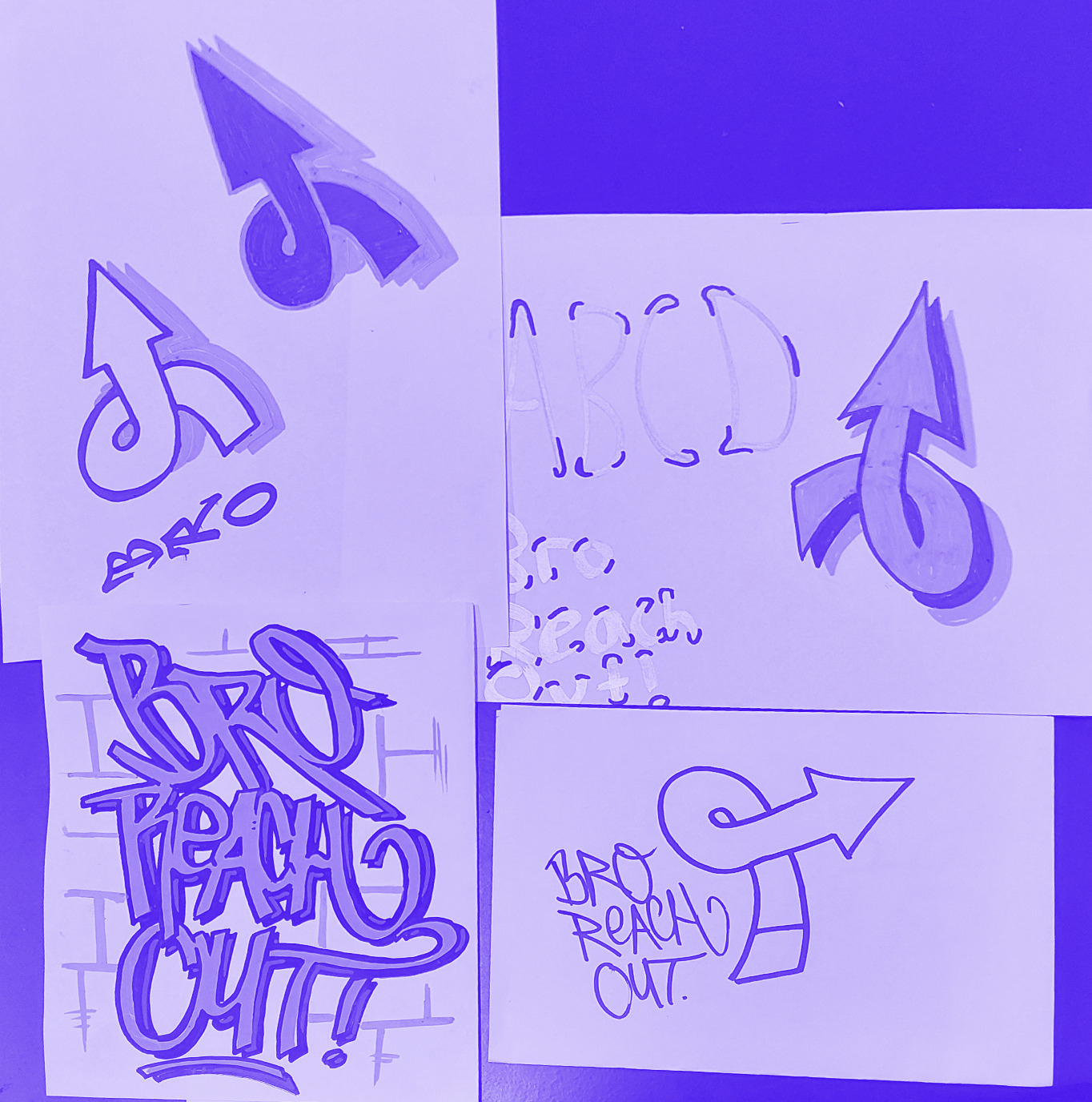
The creation of BRO was grounded in power sharing and co-design approaches.

Perhaps most surprising for adults who assume that digital tools cause harm and isolate young people is the finding that rangatahi saw the chatbot not as a substitute or replacement for human connection, but as a facilitator of it. The co-designed Wall of Strength feature exemplifies this. The Wall of Strength is a space to reflect on the people, values, memories, and motivations that matter most to you and help keep you grounded. It was designed to visually and emotionally reconnect users with their whānau and support systems, acting as a digital anchor to real-world relationships.
The emphasis from rangatahi on cultural representation, holistic wellbeing, and personalised functionality reshaped the researchers’ understanding of what safety planning can, and should, look like. These findings underscore the importance of listening deeply to youth voices, especially those of Māori, whose lived experiences and cultural perspectives offer transformative potential for suicide prevention.
Impact of lived experience
The project is led by someone with lived experience, and from the outset, individuals with lived experience of suicidal distress shaped the design, direction, and delivery of the research. They were instrumental in determining how the study would be conducted, including the structure and purpose of the co-design workshops. This ensured that the research was not only clinically relevant but emotionally resonant and culturally safe.
One of the most impactful contributions came from a lived experience researcher who participated in the workshops alongside rangatahi Māori. Their dual role, which included contributing to discussions and capturing field notes, enabled a rich, real-time synthesis of rangatahi Māori insights. These reflections were then translated into actionable design briefs for the digital development team, ensuring that BRO was built in a way that authentically reflected rangatahi Māori voices.
This integration of lived experience fostered a research environment grounded in manaakitanga and whanaungatanga, where rangatahi were seen as experts in their own wellbeing. It also challenged traditional research hierarchies, demonstrating that when lived experience is embedded throughout the process, the outcomes are more authentic, innovative, and impactful.